Regular roof maintenance is one of the most effective ways to reduce expensive residential roof repair costs. Many homeowners ignore small roofing issues such as minor leaks, clogged gutters, or missing shingles, but these small problems often turn into major structural damage over time.
With proper inspection, cleaning, and timely repairs, you can extend the life of your roof, prevent emergency Roof repairs, and save thousands of dollars in long-term maintenance costs. This guide explains how routine roof care protects your home and reduces overall roofing expenses.
Why Roof Maintenance Is Important for Homeowners
A roof is your home’s first line of defense against rain, wind, sun, and storms. When it is not properly maintained, small issues can quickly spread and damage insulation, ceilings, and even interior walls.
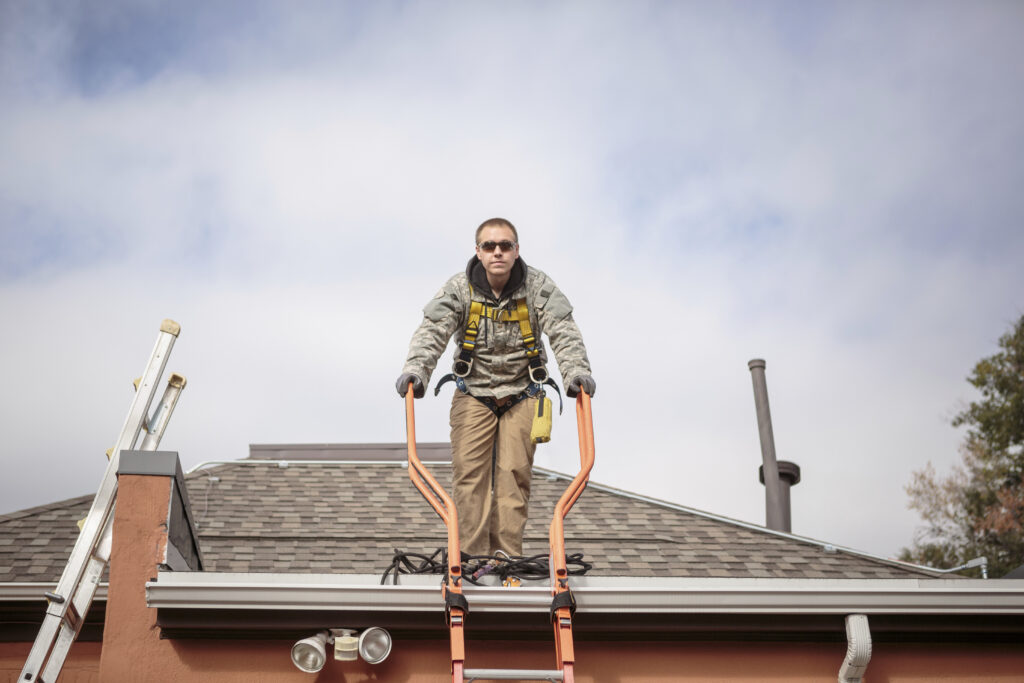
Regular maintenance helps:
- Detect early signs of roof damage
- Prevent costly emergency repairs
- Improve roof lifespan
- Maintain home safety and comfort
Professional roofing companies like Garco Home Improvements emphasize that preventive maintenance is always cheaper than major repairs or full roof replacement.
How Regular Roof Maintenance Reduces Repair Costs
1. Prevents Small Leaks from Becoming Major Damage
Small roof leaks often go unnoticed until they cause serious damage. Water can slowly enter walls, ceilings, and insulation, leading to mold growth and structural weakening.
Regular roof inspections help detect leaks early so they can be repaired before they turn into expensive restoration projects.
2. Keeps Gutters Clean and Functional
Clogged gutters are one of the most common causes of roof damage. When gutters are blocked, rainwater cannot drain properly and begins to overflow.
This can lead to:
- Roof edge damage
- Foundation issues
- Water leakage inside the home
Routine gutter cleaning ensures proper water flow and prevents costly water-related repairs.
3. Extends Roof Material Lifespan
Roof shingles, flashing, and sealants naturally wear down due to weather exposure. Without maintenance, these materials deteriorate faster.
Regular upkeep helps:
- Strengthen weak roofing areas
- Replace damaged shingles early
- Maintain waterproof sealing
This significantly extends the overall lifespan of your roofing system.
4. Reduces Storm and Weather Damage
Strong winds, heavy rain, and hail can cause serious damage to unmaintained roofs. Loose shingles or weak flashing can easily break during storms.
Preventive maintenance helps secure vulnerable areas before severe weather hits, reducing emergency repair costs.
5. Prevents Mold, Rot, and Structural Issues
Moisture trapped in roofing structures leads to mold growth and wood rot over time. These problems are expensive and difficult to repair once they spread.
Routine inspections help identify moisture buildup early, ensuring a safer and healthier home environment.
6. Minimizes Emergency Repair Costs
Emergency Best roof repairs Services are significantly more expensive than planned maintenance. Sudden leaks or structural failures often require urgent labor and materials.
Regular maintenance reduces the risk of unexpected roofing emergencies, saving homeowners from high-cost situations.
7. Improves Energy Efficiency and Lowers Bills
A damaged roof can allow air leaks, causing heating and cooling systems to work harder. Poor insulation increases energy consumption and monthly utility bills.
Proper roof maintenance ensures:
- Better insulation performance
- Reduced air leakage
- Stable indoor temperature
This leads to long-term energy savings.
8. Maintains Property Value and Curb Appeal
A well-maintained roof improves the overall appearance and value of your home. Buyers are more confident purchasing a property with a healthy roofing system.
Regular maintenance helps avoid inspection issues during resale and improves market value.
Recommended Roof Maintenance Schedule
To keep your roof in good condition, follow this schedule:
- Inspect roof twice a year (spring and fall)
- Check after heavy storms or wind damage
- Clean gutters every 3–4 months
- Remove debris regularly
- Schedule professional inspection annually
Common Signs Your Roof Needs Maintenance
Homeowners should watch for:
- Water stains on ceilings or walls
- Missing or cracked shingles
- Sagging roof sections
- Overflowing gutters
- Mold or mildew smell indoors
Early detection helps prevent expensive repairs.
Cost Comparison: Maintenance vs Repair vs Replacement
| Service Type | Average Cost | Long-Term Impact |
| Regular Maintenance | Low | Prevents major issues |
| Minor Roof Repair | Medium | Fixes localized damage |
| Roof Replacement | High | Required for severe damage |
Preventive maintenance is always the most cost-effective option.
Expert Roofing Insight
According to roofing professionals, most major roof repairs could be avoided with regular inspections and seasonal maintenance. Small investments in upkeep can prevent thousands of dollars in future repair or replacement costs.
Conclusion
Regular roof maintenance is one of the smartest investments homeowners can make. It prevents costly repairs, extends roof lifespan, improves energy efficiency, and protects your home from long-term damage. Contact Garco Home Improvement
Instead of waiting for major problems to appear, proactive maintenance ensures your roof stays strong, safe, and cost-efficient for years to come.
FAQs
How often should I inspect my roof?
Twice a year is recommended, plus additional checks after storms or heavy weather conditions.
Does roof maintenance really save money?
Yes, it helps detect small issues early, preventing expensive structural damage and emergency repairs.
What happens if I ignore roof maintenance?
Ignoring maintenance can lead to leaks, mold growth, insulation damage, and even full roof replacement.
Can roof maintenance improve energy efficiency?
Yes, a well-maintained roof improves insulation and reduces heating and cooling costs.
When should I call a roofing professional?
You should contact a professional if you notice leaks, missing shingles, sagging areas, or repeated water damage.