Professional home flooring services encompass a full spectrum of specialized solutions, including material selection, subfloor preparation, new floor installation (hardwood, laminate, luxury vinyl, tile, and carpet), floor refinishing and restoration, moisture barrier treatments, and routine repair or re-grouting work.
To choose the right flooring service for your home, evaluate room-specific needs (such as moisture exposure, foot traffic, and subfloor stability), compare material performance characteristics, request itemized quotes from licensed flooring contractors, ensure proper floor levelling and moisture testing, and schedule professional installation to protect long-term material warranties. Garco Home Improvements can help homeowners with their home improvement needs.
Understanding Professional Flooring Services
Upgrading your home’s flooring is one of the most impactful ways to elevate interior aesthetics, improve indoor air quality, and boost overall property value. However, a successful flooring project involves much more than simply laying down new planks or tiles.
Professional flooring contractors offer end-to-end services designed to ensure your new floors are structurally sound, perfectly level, and built to withstand decades of daily foot traffic.
Core Types of Residential Flooring Services
Whether you are remodeling a single room or updating an entire house, professional flooring services fall into several distinct service categories.
1. New Flooring Installation Services
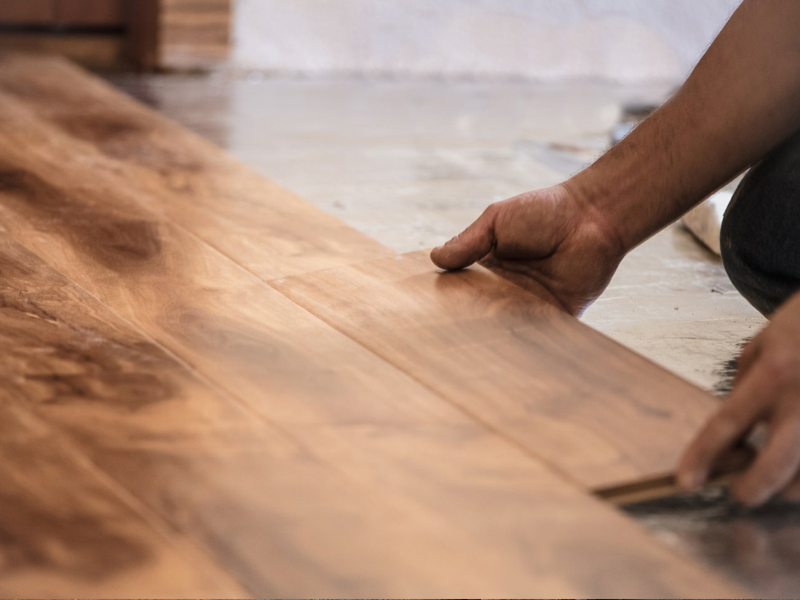
Professional installation ensures that materials are acclimatized, aligned, and fitted to precise room dimensions.
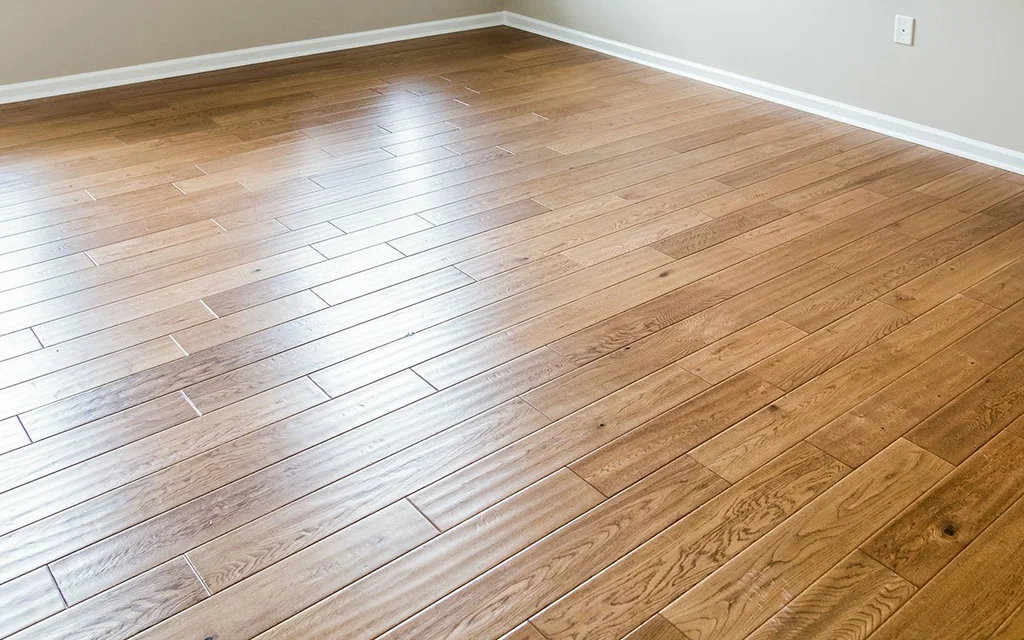
Hardwood Flooring Installation: Encompasses solid and engineered wood installation. Installers utilize nail-down, staple-down, or glue-down techniques depending on whether your home has a plywood subfloor or concrete slab.
Luxury Vinyl Plank (LVP) & Laminate Installation: LVP and laminate feature click-lock floating floor systems. Professionals lay down sound-dampening underlayment, maintain proper expansion gaps along walls, and ensure seamless transitions between doorways.
Tile Flooring Installation (Ceramic, Porcelain, & Natural Stone): Involves applying thin-set mortar, setting tiles with precision spacers, cutting complex angles around fixtures, and applying grout and sealant for a waterproof finish.
Carpet Installation: Requires laying high-density carpet padding, stretching wall-to-wall carpeting using mechanical power stretchers, and securing edges along tack strips to prevent unsightly ripples and bunches over time.
2. Subfloor Repair, Levelling, and Preparation
A floor is only as good as the foundation beneath it. Subfloor preparation services address hidden structural issues before new flooring goes down:
Subfloor Levelling: Applying self-levelling underlayment compounds over uneven concrete or subfloor low spots to prevent board flexing and tile cracking.
Moisture Testing and Barrier Installation: Testing concrete slabs for relative humidity and applying liquid epoxy moisture mitigators or polyethylene sheet barriers to block subterranean moisture from damaging wood or laminate.
Damage Repair: Replacing rotted, water-damaged, or squeaky plywood subflooring panels before installation begins.
3. Hardwood Refinishing and Restoration Services
Existing solid hardwood floors rarely need complete replacement. Refinishing services restore worn, scratched, or discolored wood floors to like-new condition:
Dustless Sanding: Removing old polyurethane finishes, stains, and surface scratches down to raw wood using commercial vacuum-attached belt sanders.
Custom Staining and Finishing: Applying fresh wood stain colors followed by multiple protective coats of durable polyurethane (water-based or oil-based) or penetrating oils.
Screening and Recoating (Buffing): A light surface sanding and fresh topcoat application for hardwood floors that are dull but free of deep structural scratches.
4. Flooring Repair and Maintenance Services
For targeted damage, localized repair services restore floor functionality without requiring a full room tear-out:
Tile Re-Grouting and Chip Repair: Replacing cracked or discolored grout lines and filling minor tile chips with color-matched epoxy resins.
Plank Replacement: Unlocking or cutting out damaged LVP, laminate, or hardwood boards and weaving in seamless replacement pieces.
Carpet Re-Stretching: Utilizing power stretchers to pull loose, buckled carpet taut against room perimeters.
Flooring Services Summary
Installation Services: Covers solid/engineered hardwood, tile, LVP, laminate, and carpet; delivers precise fitting and manufacturer-compliant execution.
Subfloor Preparation: Includes self-levelling, moisture testing, barrier application, and rot repair; creates a flat, dry, structural base.
Hardwood Refinishing: Involves dustless sanding, custom staining, and protective topcoating; revitalizes existing wood floors without full replacement.
Repair & Maintenance: Encompasses tile re-grouting, plank weaving, and carpet re-stretching; extends the lifespan of current flooring materials.
Why Hire Professionals for Flooring Services?
While click-lock materials and DIY videos make flooring look simple, professional installation yields superior craftsmanship and long-term durability.
Subfloor Moisture and Flatness Diagnostic: Professional flooring technicians test subfloor moisture levels (using pinless moisture meters) and measure floor flatness tolerances (e.g., within 3/16″ over 10 feet) to prevent future floor buckling, cupping, or tile cracking.
Specialized Tools and Equipment: Installing flooring requires specialized trade tools—such as jamb saws, tile wet saws, pneumatic flooring cleats, power stretchers, and dustless belt sanders—that ensure clean cuts and tight seams around doorframes and hearths.
Preserving Manufacturer Warranties: Major flooring manufacturers explicitly state that material warranties (covering wear layers, water resistance, and finish defects) are voided if installed over improper underlayment or non-compliant subfloors. Professional installation guarantees warranty protection.
How Flooring Choices Can Complement Your Home’s Outdoor Spaces
A well-designed home should feel connected from the inside out. When updating your floors, consider how their colors, textures, and finishes complement your patio, garden, or outdoor living areas. For example, natural wood tones can create a warm transition between indoor rooms and landscaped spaces, while durable tile near entryways can help manage dirt brought in from outside. Coordinating these details creates a more consistent look throughout your property. You can also improve your home’s exterior appeal with Landscaping Services in Hattiesburg, MS.
Conclusion
The wide variety of residential flooring services—ranging from new installation and subfloor levelling to hardwood refinishing and localized repairs—ensures every homeowner can find the ideal solution for their budget and lifestyle. By prioritizing thorough subfloor preparation, selecting moisture-appropriate materials for each room, and partnering with experienced flooring professionals, you ensure your new floors remain beautiful, comfortable, and durable for decades to come.
Frequently Asked Questions (FAQs)
1. How do I know if my hardwood floors need refinishing or full replacement?
If your hardwood floors have surface scratches, dull finishes, or discolored traffic paths but the wood planks remain thick and structurally sound, refinishing is sufficient. If boards are severely warped, rotted, or sanded down to the tongue-and-groove joint from past refinishing, replacement is necessary.
2. What is the most durable type of flooring for homes with pets?
Luxury Vinyl Plank (LVP) and porcelain tile are the most durable options for pets due to their extreme scratch resistance, 100% waterproof construction, and easy cleanup of spills or accidents.
3. Why is subfloor levelling so important before laying new floors?
An uneven subfloor causes floating floor planks (LVP/laminate) to bounce, flex, and unlock at the seams, while causing rigid tiles to crack under heavy foot pressure.
4. How long must hardwood flooring acclimate before installation?
Solid hardwood flooring typically needs to acclimate inside your home for 3 to 7 days before installation so the wood moisture content balances with your indoor environment, preventing future expansion or shrinkage.
5. Can new flooring be installed over existing floors?
Sometimes. Floating floors like LVP or laminate can often be installed over flat, well-adhered tile or sheet vinyl. However, installing new floors over carpet or unlevel hardwood is never recommended and requires complete tear-out.