Your roof is your home’s first line of defense against rain, wind, heat, humidity, and severe weather. While a well-maintained roof can last for decades, no roofing system lasts forever. Over time, exposure to the elements causes wear and tear that may require professional attention. The challenge for many homeowners is knowing whether a simple repair will solve the problem or if it’s time to invest in a complete roof replacement.
Making the right decision can save you thousands of dollars while protecting your home from costly water damage and structural issues. Ignoring early warning signs often leads to more extensive repairs that could have been avoided with timely maintenance.
In this guide, we’ll explain the most common signs of roof damage, the difference between roof repair and roof replacement, and how professional roofing contractors determine the best solution for your property.
Why Your Roof Matters More Than You Think
Your roof does much more than keep the rain out. It protects your home’s structure, insulation, electrical systems, furniture, and personal belongings. A healthy roofing system also improves energy efficiency by helping regulate indoor temperatures, reducing strain on your HVAC system, and lowering monthly energy bills.
When roofing problems are left untreated, moisture can penetrate the structure of your home, leading to mold growth, wood rot, damaged insulation, and expensive interior repairs. That’s why routine inspections and prompt roofing services are essential for maintaining your property’s safety and value.
10 Signs Your Roof May Need Repair or Replacement
Recognizing roofing problems early can help you avoid unexpected expenses. Here are the most common warning signs every homeowner should watch for.
1. Roof Leaks or Water Stains
One of the clearest signs of roofing damage is water entering your home. Brown ceiling stains, damp walls, peeling paint, or dripping water during rainstorms usually indicate a compromised roofing system.
While a small leak can often be repaired, widespread leaks may signal that your roof is reaching the end of its lifespan.
2. Missing or Damaged Shingles
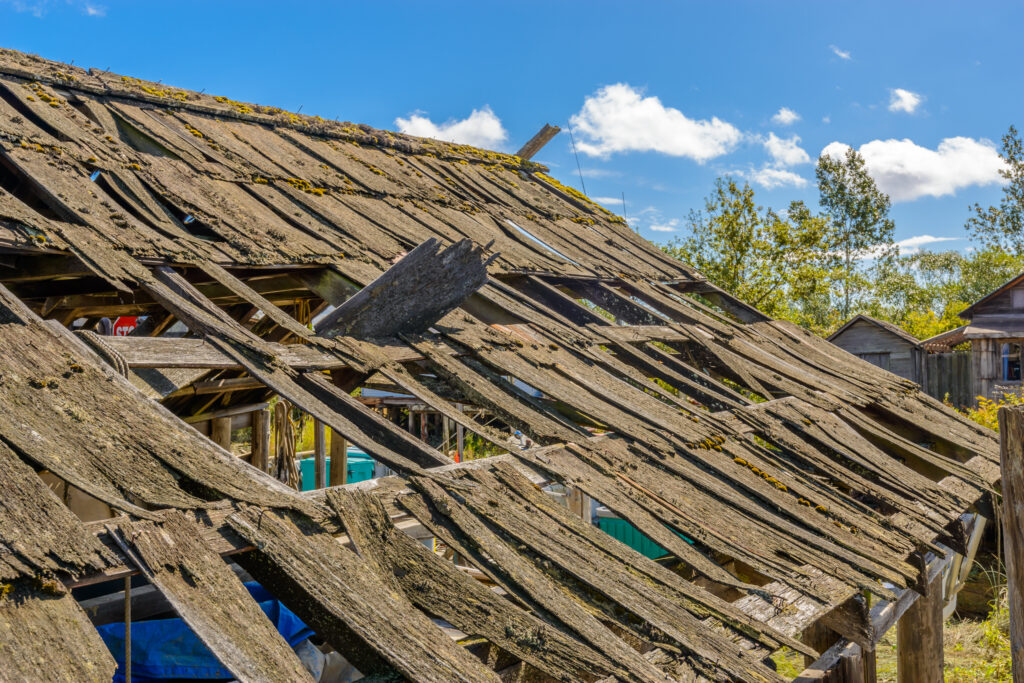
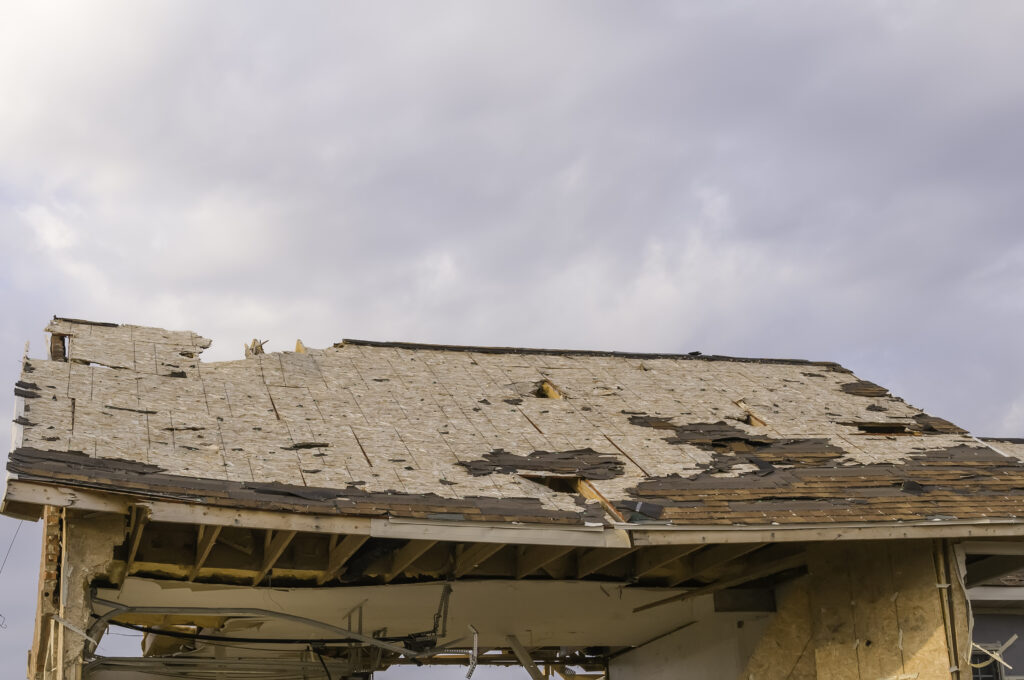
Strong winds and severe storms frequently loosen or remove shingles. Cracked, curled, blistered, or missing shingles expose the underlying roof structure to moisture and UV damage.
Replacing a few damaged shingles is usually an effective repair, but extensive shingle deterioration often points to the need for a full replacement.
3. Your Roof Is More Than 20 Years Old
The lifespan of a roof depends on the materials used, installation quality, and local weather conditions.
Generally:
- Asphalt shingles: 20–30 years
- Flat roofing systems: 20–25 years
If your roof is approaching the end of its expected lifespan and is showing signs of wear, replacing it may be the smarter long-term investment.
4. Granules in Your Gutters
Asphalt shingles naturally lose protective granules over time. If you notice excessive granules collecting in your gutters or around downspouts, your shingles are deteriorating and becoming less effective at protecting your home.
This is one of the earliest signs that your roofing system may require professional evaluation.
5. Sagging Roof Sections
A sagging roof is a serious structural concern that should never be ignored. It may indicate trapped moisture, weakened decking, or structural damage beneath the roofing materials.
This type of problem often requires more than a simple repair and should be inspected immediately by an experienced roofing contractor.
6. Storm Damage
Heavy rain, hail, fallen tree limbs, and high winds can all damage your roof. Even if the damage appears minor, hidden issues may develop over time.
After any major storm, scheduling a professional roof inspection helps identify loose shingles, punctures, damaged flashing, and water intrusion before they become larger problems.
7. Moss, Algae, or Mold Growth
While algae stains are often cosmetic, excessive moss retains moisture against your roof, accelerating shingle deterioration and increasing the risk of leaks.
Professional cleaning and timely repairs help prevent long-term damage.
8. Rising Energy Bills
If your heating and cooling costs have increased unexpectedly, your roofing system could be contributing to poor insulation and ventilation.
Older roofs with damaged materials often allow conditioned air to escape, forcing your HVAC system to work harder.
9. Damaged Flashing
Flashing seals vulnerable areas around chimneys, skylights, roof vents, and valleys.
Cracked, rusted, or loose flashing allows water to penetrate beneath roofing materials, causing hidden leaks that may not become visible until significant damage has occurred.
Replacing damaged flashing is usually a cost-effective repair when caught early.
10. Frequent Repairs
If you’re repeatedly paying for roof repairs every year, replacing your roof may actually save money over the long term.
Multiple recurring problems often indicate that the roofing system has reached the end of its useful life.
Roof Repair vs. Roof Replacement: What’s the Difference?
One of the most common questions homeowners ask is whether they should repair their roof or replace it entirely.
Roof Repair Is Usually the Best Option When:
- Damage is limited to a small section.
- The roof is relatively new.
- Only a few shingles are damaged.
- Flashing or sealants need replacement.
- Minor leaks are discovered early.
- Storm damage is localized.
Professional repairs can extend the life of your roof while helping you avoid unnecessary replacement costs.
Roof Replacement Is Often Recommended When:
- The roof has widespread damage.
- Multiple leaks are present.
- Structural components have deteriorated.
- Shingles are extensively worn.
- The roof has exceeded its expected lifespan.
- Repair costs continue to increase.
Although replacing a roof requires a larger upfront investment, it often provides better long-term value through improved protection, energy efficiency, and reduced maintenance costs.
How Roofing Contractors Decide Between Repair and Replacement
Professional roofing contractors don’t recommend a roof replacement simply because a roof is old. Instead, they evaluate several important factors before suggesting the most practical solution.
Age of the Roof
The age of your roofing system is one of the first things a contractor considers. While many asphalt shingle roofs last between 20 and 30 years, factors such as installation quality, maintenance, and weather exposure can shorten or extend that lifespan.
Extent of the Damage
A few missing shingles after a storm may only require a repair. However, widespread damage affecting multiple sections of the roof often makes replacement the better long-term option.
Water Damage
Moisture that reaches the roof decking, attic, or insulation can weaken your home’s structure over time. If water damage is extensive, replacing the roof may prevent additional structural problems.
Repair History
If you’ve already repaired the same roof several times over the past few years, continuing to patch isolated problems may become more expensive than installing a new roofing system.
Future Plans
If you plan to stay in your home for many years, investing in a roof replacement can provide long-term value, improved energy efficiency, and greater peace of mind. If you’re planning to sell, a new roof can also increase your home’s market value and appeal to potential buyers.
Why Mississippi Homeowners Should Pay Extra Attention to Their Roof
Mississippi’s climate presents unique challenges for roofing systems. Frequent rain, high humidity, intense summer heat, strong winds, and seasonal storms can accelerate roof deterioration.
These weather conditions may cause:
- Shingle damage
- Roof leaks
- Flashing failure
- Moisture intrusion
- Mold and mildew growth
- Premature aging of roofing materials
Regular inspections are especially important after severe weather. Catching small issues early can help prevent expensive repairs and extend the life of your roof.
The Importance of Regular Roof Inspections
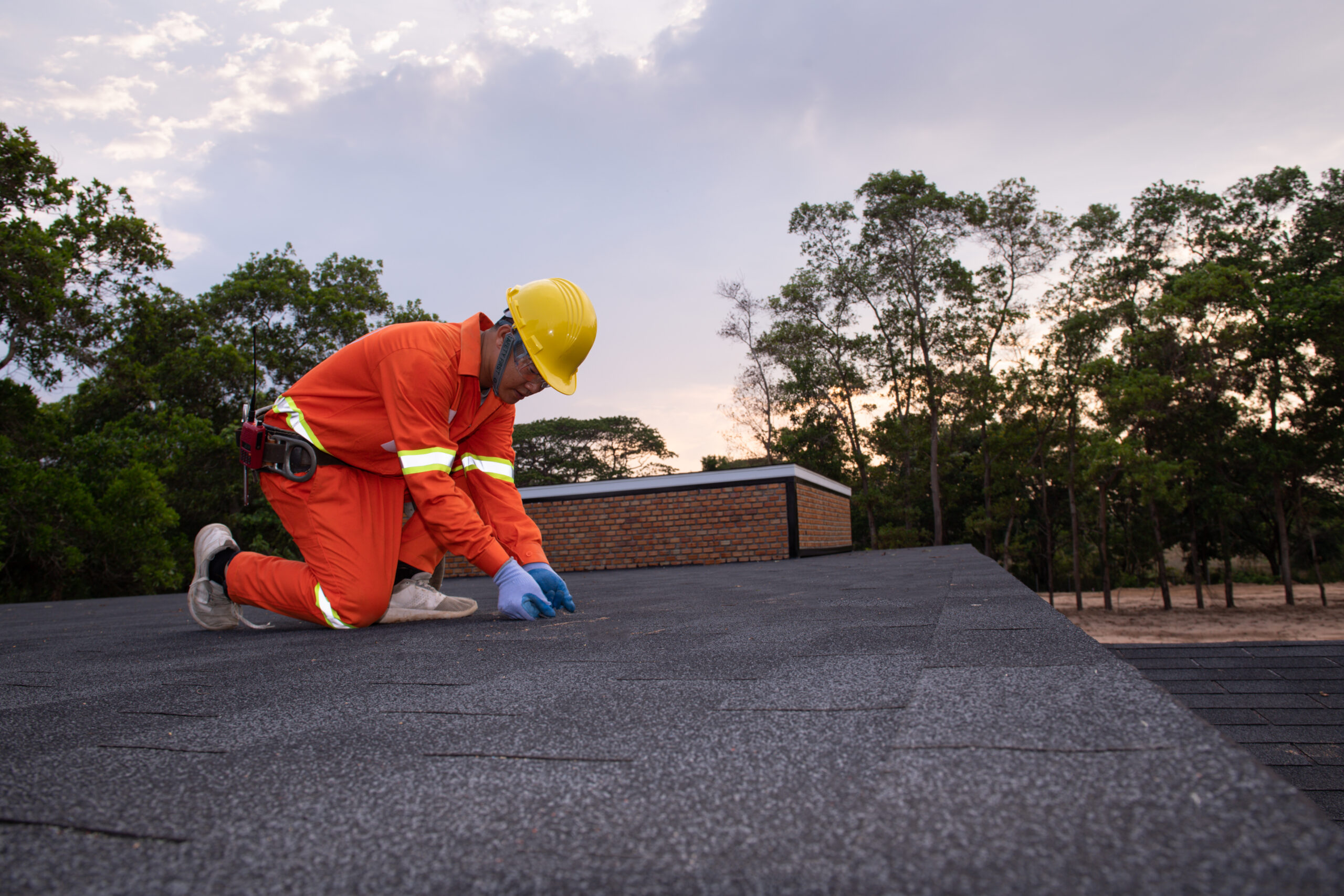
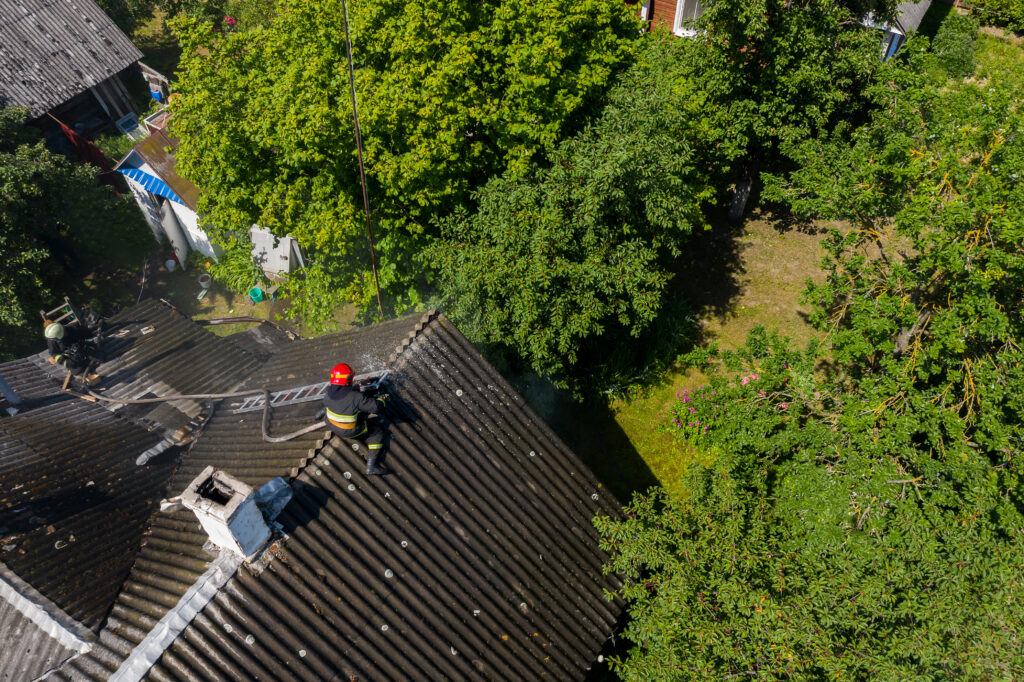
Many roofing problems begin long before homeowners notice visible signs of damage. A professional roof inspection can identify potential issues before they become major repairs.
Scheduling an inspection at least once a year—and after significant storms—can help you:
- Detect leaks early
- Identify loose or damaged shingles
- Prevent water damage
- Improve roof performance
- Extend the lifespan of your roofing system
- Avoid unexpected repair costs
Routine maintenance is one of the most cost-effective ways to protect your investment.
Trust Experienced Roofing Professionals
Whether your roof needs a simple repair or a complete replacement, working with an experienced roofing contractor makes all the difference. A professional inspection provides accurate recommendations based on the actual condition of your roof rather than guesswork.
At GARCO Home Improvements, we provide honest roofing assessments, high-quality workmanship, and dependable solutions for homeowners throughout Mississippi. From minor roof repairs to complete roof replacements, our experienced team is committed to helping you protect your home with roofing systems built to last.
Final Thoughts
Knowing when your roof needs repair or replacement isn’t always easy, but recognizing the warning signs can help you make informed decisions before small issues become major problems.
If you notice leaks, missing shingles, sagging areas, storm damage, or signs of aging, don’t wait until the damage worsens. A professional roof inspection can determine whether a repair will restore your roof or if replacing it is the smarter long-term investment.
Protecting your roof today helps safeguard your home, improve energy efficiency, and reduce future repair costs. Investing in professional roofing services ensures your property remains safe, secure, and ready to withstand Mississippi’s changing weather for years to come.
Frequently Asked Questions
1. How can I tell if my roof needs repair or replacement?
If your roof has a few damaged shingles or a minor leak, a repair may be enough. However, if you have multiple leaks, widespread damage, or a roof that’s more than 20 years old, a replacement may be the better long-term solution. A professional inspection is the best way to determine the right option.
2. How often should I have my roof inspected?
Most roofing professionals recommend scheduling a roof inspection at least once a year and after severe storms. Regular inspections help identify hidden damage before it becomes a costly repair.
3. Can storm damage affect my roof even if I don’t see visible problems?
Yes. High winds, hail, and heavy rain can loosen shingles, damage flashing, or create small leaks that aren’t immediately visible. A professional inspection can identify hidden damage before it worsens.
4. Is repairing a roof less expensive than replacing it?
In many cases, yes. Minor roof repairs are generally more affordable than a full replacement. However, if your roof has extensive damage or requires frequent repairs, replacing it may save you more money over time.
5. What type of roofing does GARCO Home Improvements install?
GARCO Home Improvements specializes in asphalt roofing, flat roofing, roof installation, roof repair, roof replacement, and storm damage roof repair for residential and light commercial properties throughout Mississippi.