As a building owner, one of the most important choices you will have to make is which roofing materials to use. Asphalt Roofing vs Flat Roofing comes down to your roof structure, climate, and financial future. Homeowners and business owners trust us at Garco Home Improvements to choose and install roofs that are long-lasting and resistant to the elements. From the start of a new installation to an existing structure, knowing how each type of system performs will help you decide which one is better for you.
Understanding asphalt roofing: Features and advantages
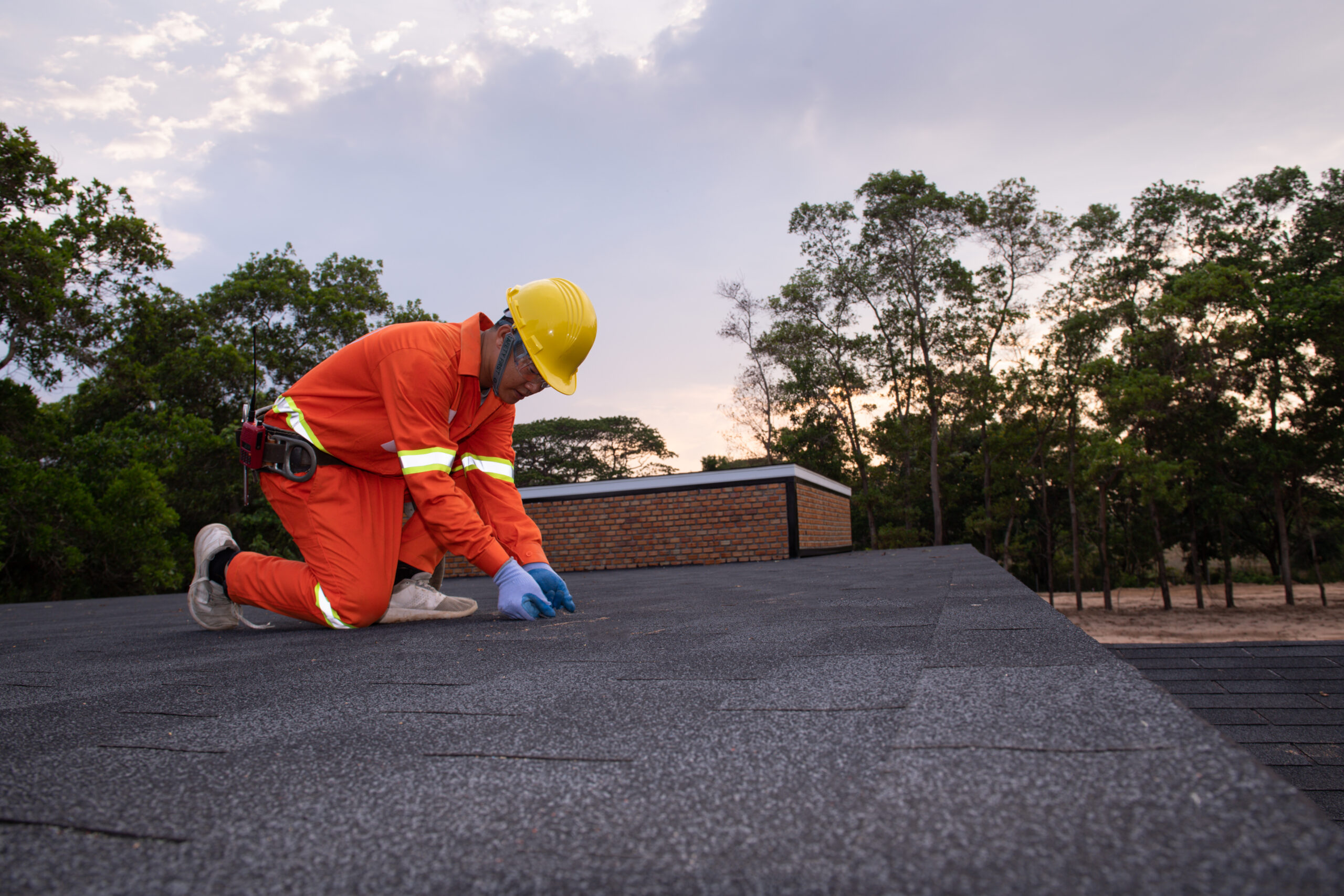
Residential buildings are still most commonly roofed with asphalt shingles. These systems are mostly used for steep-sloped structures and use overlapping shingles to direct rain and snow into rainwater gutters.
Key benefits of asphalt roofing:
Asphalt roof installation is cost-effective since the material and labor costs are lower than for specialized membranes.
- Cost-effective installation: Multiple Tab, Architectural, and Luxury styles to suit most home styles.
- Easier storm damage repair: If there is damage that occurs in the storm, individual damaged shingles can be replaced during a normal roof leak repair.
- Proven Durability: High-quality asphalt roofing materials have a useful life of 20 to 30 years, depending on the amount of ventilation and upkeep.
Understanding flat roofing: Systems and advantages
Commercial and contemporary residential buildings often feature flat roofs. They are not entirely flat and do need continuous membrane layers rather than individual shingles, but do have a slight slope to help direct water to the scuppers and drains.
Key Benefits of Flat Roofing
- Usable Roof Space: Flat surfaces can accommodate HVAC units, solar panels, patio areas, etc. on top of the structure.
- Energy efficiency: The reflective white membrane choices (TPO or PVC) reflect solar heat, reducing cooling costs inside the building.
- Clean Aesthetic: Offers a clean and minimalist look for contemporary buildings.
- Seamless Barrier: Watertight flat roof installation in large surface areas.
Management of flat roofs is proactive. Lots of maintenance is needed to ensure that water does not collect in drains as rapidly as gravity would otherwise do, so that the water does not get stagnant.
Asphalt Roofing vs. flat roofing: Side-by-side comparison
| Feature | Asphalt Roofing | Flat Roofing |
|---|---|---|
| Best Architectural Fit | Steep slope (2:12 pitch or higher) | Low slope to flat (under 2:12 pitch) |
| Primary Materials | Fiberglass asphalt shingles | TPO, EPDM, PVC, Modified Bitumen |
| Average Lifespan | 20 to 30 years | 15 to 30 years (varies by membrane) |
| Maintenance Level | Low to moderate | Moderate (routine drain cleaning) |
| Primary Weather Concern | High wind uplift, missing shingles | Standing water, seam punctures |
How Mississippi Weather Can Affect Your Roofing Choice
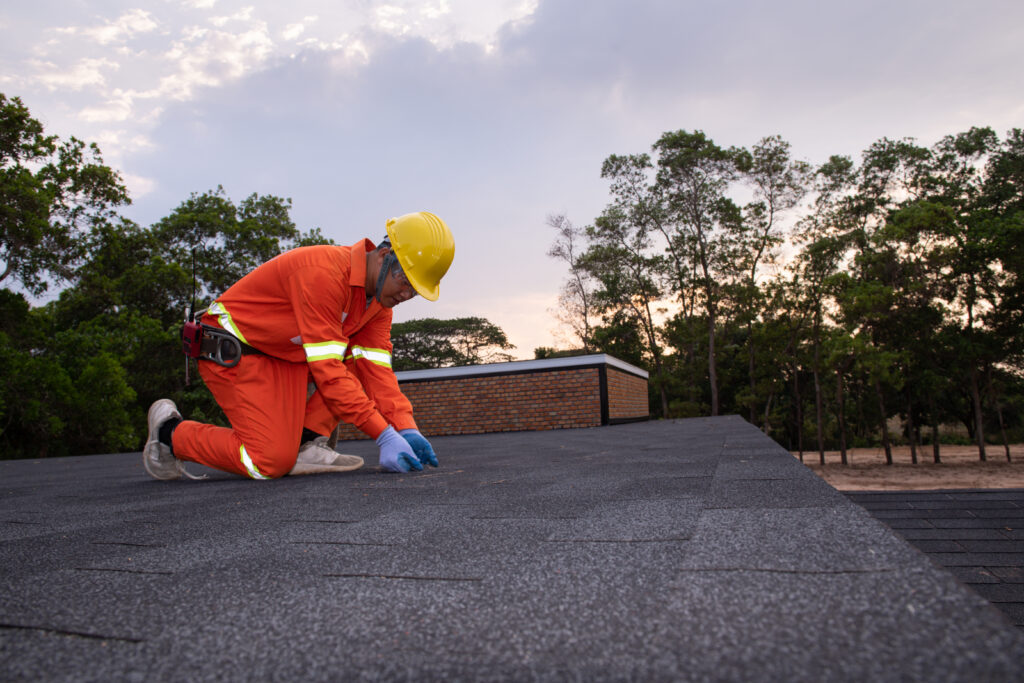
Mississippi weather should be part of the decision when comparing Asphalt Roofing vs Flat Roofing. Hattiesburg properties can experience intense summer heat, high humidity, heavy rainfall, strong winds, and severe storms throughout the year. These conditions can place different demands on a roofing system. Homeowners should consider how well a roofing design handles moisture, wind exposure, drainage, and regular temperature changes before choosing a system. This is also why proper roof ventilation, flashing, drainage, and installation quality matter just as much as the roofing material itself.
Consider the Building’s Long-Term Use
The way a property will be used can also influence the right roofing system. A traditional single-family home with a noticeable roof pitch may be better suited to shingles, while a commercial building, addition, or modern structure may require a low-slope roofing solution. Future plans should also be considered, such as adding equipment, improving drainage, or making exterior changes. Discussing these requirements before installation can help prevent the need for unnecessary modifications later.
When Professional Roof Installation Matters Most
Choosing the right material is only part of a successful roofing project. Proper roof installation in Hattiesburg, MS helps ensure that the selected system performs as intended. The roof deck, ventilation, flashing, underlayment, drainage paths, and other components should be considered as part of the complete roofing system. Poor installation can create problems even when high-quality materials are used. For this reason, property owners should look for a contractor who understands the requirements of the specific roof design rather than choosing materials based only on appearance or upfront price.
What Should You Check Before Choosing a Roofing System?
Before moving forward, property owners should look beyond the initial material comparison. Consider the existing roof structure, drainage pattern, accessibility, future maintenance, expected weather exposure, and the overall condition of the property. A professional assessment can help identify requirements that may not be obvious from the ground. For homeowners considering Asphalt Roofing vs Flat Roofing, this evaluation can make the decision more practical and help ensure the selected roofing system matches the property’s actual needs.
Why Garco Home Improvements Is Your Choice for Roofing
If you need to install an asphalt roofing mat for your home or you’re installing a flat roof for a commercial building, professional installation is what will make your investment last. With the expertise of the local community, clear cost transparency, and quality craftsmanship, Garco Home Improvements takes pride in every job they do.
From start to finish, our team takes care of all aspects of your project:
- Detailed, honest roof inspection assessments
- Completely tear off and prepare decks
- Installation of heavy-duty underlayment & flashing
Frequently Asked Questions
Which roof type, asphalt or flat, is right for my property?
The type of roofing depends on the building’s architectural slope. Water drains well from roofs with a slope that is clearly discernible (pitch greater than 2:12). Asphalt shingles are the preferred roof type for building cladding with a roof slope greater than 2:12. Small or zero-pitch roofs are not allowed to have shingles; continuous flat roof membranes must be used to eliminate water between shingles.
Which flat roofing lasts longer?
With proper installation, both systems will provide long service life. Asphalt shingles for architecture can have a lifespan of 20-30 years. High-grade flat roof membranes such as TPO or EPDM have a useful life of 20-30 years if there are no obstructions in drains and seams are kept properly sealed.
Can Asphalt Shingles be installed on a flat roof?
No – Do not put asphalt shingles on a flat or low slope roof. Gravity is the key element in the shedding of runoff by shingles. Water collects under the flat roofs on shingles, leading to deck rot and water damage in the interior.
How frequently should a professional be hired to check the roof for maintenance?
Have a professional roof inspection at least once a year, preferably in spring or fall. Also ask to be checked after bad wind or hail to detect any surface damage in time to prevent it from becoming a problem if it leaks.
Asphalt and flat roof installation are compared; how much is the average difference in cost?
The initial cost of materials and labor to install asphalt roofs on sloped residential buildings is typically less. Specialized single-ply or multi-ply synthetic membranes and heat-welded seams are required to install a flat roof, and depending on the size of the building, can have a higher initial cost.